Loading...
Serving Redding, CA and surrounding areas. (530) 319-6867
Redding clay soils shift with the seasons and summer heat pushes concrete to its limits. We build slab foundations engineered for local conditions - not off a generic plan.
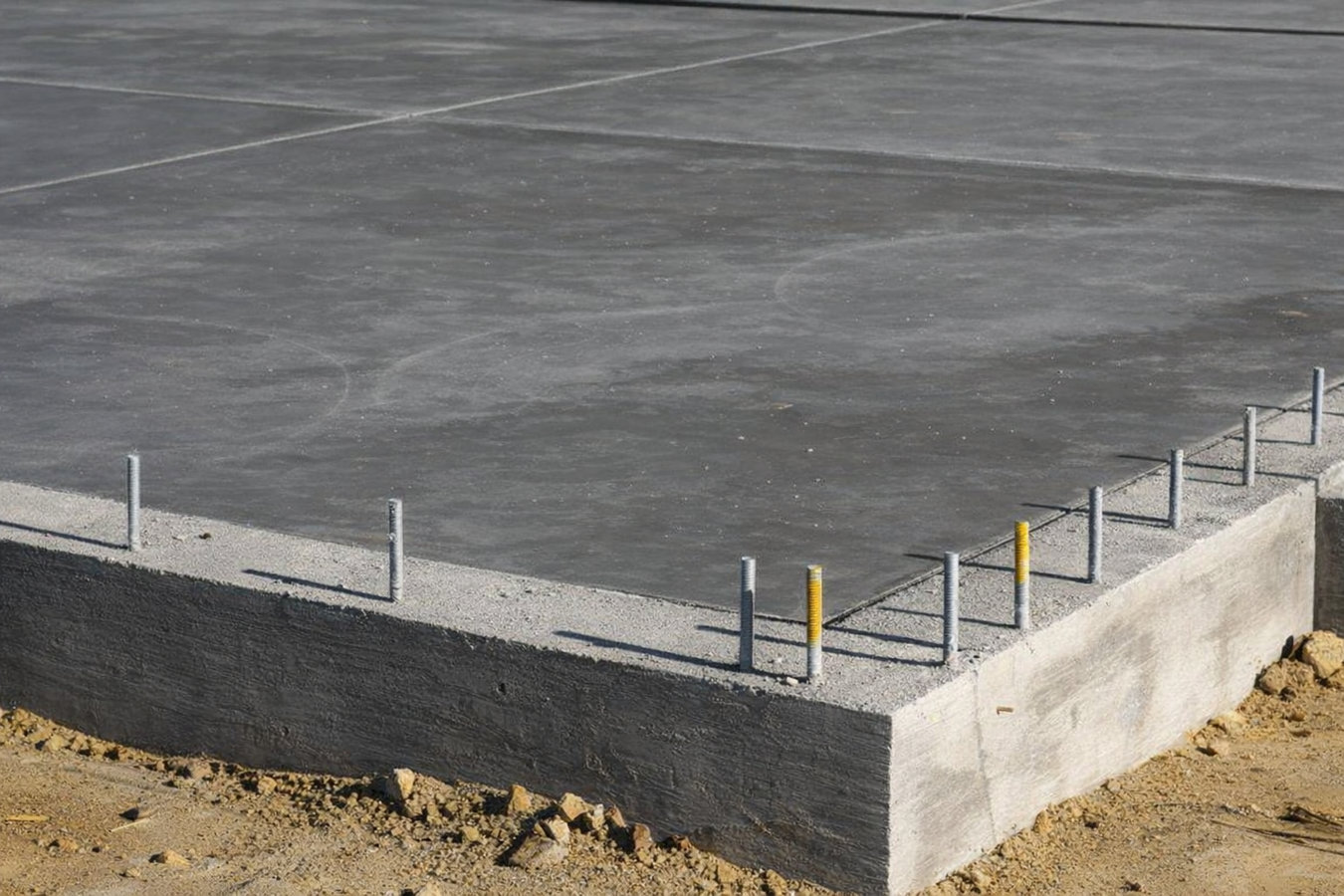
Slab foundation building in Redding starts with grading and compacting the soil, laying a gravel drainage layer, placing a moisture barrier, and setting steel reinforcement before the concrete is poured - most residential slabs take two to four days of active work, plus a permit review period and a curing window before framing can begin.
A slab is a single, thick concrete pad poured directly on prepared ground that serves as both the floor and structural base of your home or addition. It is the most common foundation type in Redding and across the Sacramento Valley, because the dry climate and low frost risk suit it well. If you are building new - whether it is a house, a garage, or an accessory dwelling unit - the slab comes first. Everything else is built on top of it.
Homeowners adding square footage often pair a new slab with full foundation installation when the project involves more complex site conditions or a larger structure requiring deeper footings and additional engineering.
If you are starting a new construction project - a house, a garage, a granny flat, or a room addition - you need a slab before any framing can begin. In Redding, most new residential construction uses slab-on-grade foundations because they are well-matched to the local climate and soil. There is no existing foundation, and the project cannot move forward without one.
Small hairline cracks in a concrete floor are common and often cosmetic. But if you notice cracks that are getting wider over time, or cracks where one side sits higher than the other, the slab may be moving unevenly. In Redding, this kind of movement is often linked to the expansive clay soils that shift with the wet-dry cycle of the local climate.
When a slab shifts or settles unevenly, door and window frames above it can rack slightly out of square. If doors that used to swing freely now stick or drag, or you notice gaps appearing at the tops of door frames, the foundation below may be the cause. This symptom tends to appear gradually, so it is easy to dismiss at first.
Damp spots, a white chalky residue on the floor, or moisture felt under rugs can mean the moisture barrier under your slab has failed or was never properly installed. In Redding's climate, this is more common in older homes built before moisture barrier standards were tightened. A concrete contractor can tell you whether the issue is a surface problem or something more significant.
We handle every phase from site preparation through the final city inspection. That includes grading and compacting the subgrade, installing a gravel drainage layer and moisture barrier, setting the steel reinforcing bars, and pouring the concrete with the right mix for local conditions. We also pull all required City of Redding permits and coordinate the pre-pour inspection so you never have to chase the building department yourself. For projects involving posts, beams, or columns, we build the matching concrete footings that tie into the slab system and carry the point loads from the structure above.
Hot-weather pours require real planning in Redding. From June through September, we schedule pours for early morning and use curing techniques that slow the drying process so the concrete reaches full strength rather than drying too fast at the surface. Every slab also gets control joints cut into it after the pour - shallow grooves that guide any future cracking to predictable lines instead of random fractures across your floor.
Suits new single-family home construction where a slab-on-grade is the foundation type specified in the plans.
Suits homeowners building a detached garage, workshop, or storage structure that needs a flat, strong concrete floor.
Suits ADU projects in Redding where California housing rules have increased demand for backyard cottages and in-law units.
Suits homeowners expanding a ranch home or tract house where the new room addition needs its own slab or slab extension.
Suits homeowners with an existing slab showing cracks or movement who need a professional evaluation before deciding next steps.
Suits any summer project in Redding where the crew needs to actively manage curing to protect slab strength in triple-digit heat.
Redding regularly sees summer temperatures above 105 degrees Fahrenheit - and concrete does not behave well when it dries too fast in intense heat. Contractors here who know the local conditions schedule pours for early morning and use techniques like wetting the subgrade and applying curing blankets to slow the drying process. If you are building in summer, that is a real skill difference between crews, not just a preference. The American Concrete Institute covers hot-weather placement standards, and experienced local crews follow those guidelines on every summer pour.
Parts of Redding and the surrounding Shasta County foothills also sit on clay-heavy soils that expand when they absorb winter rain and shrink when they dry. That movement from below is one of the leading causes of slab cracking in this region. We work with homeowners across the broader area, including Anderson and Red Bluff, where the same soil and heat conditions demand the same level of care in every slab pour.
We will ask a few questions about your project - size, type of structure, and whether you have a permit yet. Most projects in Redding get a response within one business day. We do not quote firm prices over the phone without seeing the site, because soil conditions and access vary enough here that phone estimates mislead more than they help.
We visit the property, walk the site, and look at the soil conditions and access before putting numbers on paper. Our written estimate breaks out labor, materials, and site preparation separately so you can compare bids clearly. There is no charge for the site visit and no obligation to book.
We submit the permit application to the City of Redding on your behalf. Once approved, the crew grades and compacts the subgrade, installs the gravel drainage layer and moisture barrier, and sets the steel reinforcement grid. A city inspector verifies this setup before any concrete is placed.
On pour day the crew places and finishes the concrete, then cuts control joints into the surface before it fully sets. The slab cures under blankets or compound for at least a week - longer in summer heat. After the city does its final inspection and signs off, framing or the next phase of your project can begin.
Free on-site estimate. We pull the permits and handle the city inspection - you just show up when it is done.
(530) 319-6867We size slab thickness, reinforcement spacing, and drainage design to match the clay-heavy ground common in Shasta County - not a generic plan from a blueprint catalog. A slab designed for stable sandy soil will crack in Redding's wet-dry cycles. Ours are built for what is actually under your property.
We have built residential slabs across 12 cities in Northern California, from Redding down through the Sacramento Valley. That regional experience means we have already encountered most of the soil, access, and weather variables that come up in this market - and we know how to handle them without surprises on your timeline.
We pull every required City of Redding permit and schedule the pre-pour inspection ourselves. You never have to chase the building department or worry about whether the work was done to code. A failed inspection derails projects by weeks - we do not cut the corners that cause those failures. Licensed with the California Contractors State License Board.
Summer pours in Redding require early starts, subgrade wetting, and curing blankets to keep the concrete from drying too fast at the surface. We plan for this on every summer project. A slab that dries too quickly loses strength you cannot get back - we do not let that happen.
Every slab we build is permitted, inspected, and engineered for the specific conditions on your lot. That combination of local knowledge and process discipline is what separates work that holds for decades from work that starts showing cracks in year three.
Full foundation installation for new homes and major additions, including excavation, forming, and seismic reinforcement required by California building code.
Learn moreIndividual concrete footings for posts, fences, and structures that need a stable underground base without a full slab pour.
Learn moreSummer heat makes scheduling tighter every week you wait - call now to lock in your start date and get a free on-site estimate.