Loading...
Serving Redding, CA and surrounding areas. (530) 319-6867
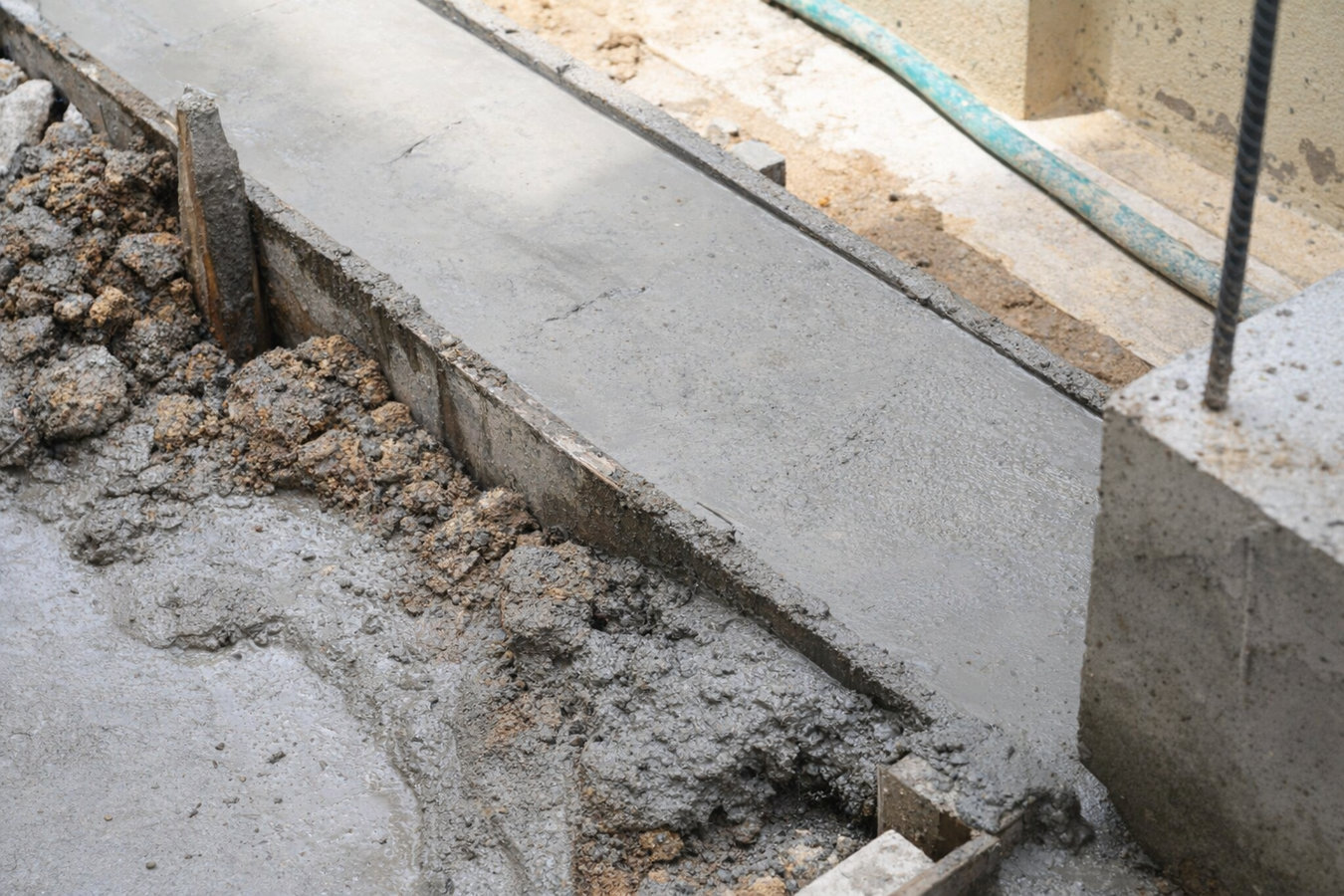
Sunken driveways, settled garage floors, and tilted patios are common in Redding. Get them back to level in a single day without tearing everything out.
Foundation raising in Redding lifts sunken concrete slabs back to their original level position by pumping material beneath them to fill the void - most residential jobs take two to eight hours and you can walk on the surface the same day, with no concrete replacement required.
Redding's clay-heavy soils shrink during the long dry summers and leave voids beneath your concrete. When those voids form, slabs lose their support and start to drop or tilt. Foundation raising in Redding is the process of drilling small holes through the slab, pumping a lifting material into those voids, and watching the concrete rise back to level. It costs far less than a full replacement and leaves your landscaping intact. If your slab has sunk because of a settling soil void - which is the most common cause in this area - raising it is almost always the right first move.
If the slab is cracked or broken beyond what raising can fix, we can discuss options like concrete cutting to remove the damaged section cleanly before a new pour. For homes where the structural foundation itself has shifted, ask about slab foundation building to understand the full range of foundation options.
If a door that used to swing freely now drags on the floor, or a window that opened easily now jams, the frame may be shifting because the slab beneath has moved. In Redding's dry summers, wood shrinks rather than swells - so sticking doors here are more likely a sign of foundation movement than a humidity problem. Do not wait for it to get worse.
Walk around your garage, patio, or front entry and look where the concrete meets the wall or step. A visible gap - even a small one - means the slab has dropped away from where it was originally poured. In Redding, these gaps often appear after a dry summer when the soil has pulled back from beneath the concrete and left a void.
If puddles form close to your home's foundation after Redding's winter rains, your concrete may have tilted inward toward the house. Water draining toward your foundation instead of away from it speeds up soil erosion and can eventually affect your home's structural base. A raised, level slab restores proper drainage away from your walls.
Stand at one end of your driveway or patio and look down the length of it. If one panel has risen or dropped relative to the others - even by half an inch - that is a trip hazard and a sign the soil underneath has shifted unevenly. After Redding's long dry seasons, this kind of differential settling is one of the most common problems we see.
We use two proven lifting methods depending on the slab and soil conditions: mudjacking, which pumps a cement-and-soil mixture beneath the slab, and polyurethane foam injection, which uses an expanding foam that sets within about 15 minutes. Foam is lighter, faster, and tends to hold its position longer - making it a good fit for most residential jobs in Redding. Mudjacking is a dependable option for larger, heavier commercial slabs. We assess your specific situation and recommend the method that makes the most sense for the load and the ground conditions. When the work is finished, we patch the drill holes so they blend in with the surrounding surface.
Foundation raising pairs naturally with concrete cutting when a section of the slab is too damaged to raise and needs to be removed cleanly first. For homeowners considering a full rebuild rather than a repair, we can walk you through slab foundation building as an alternative. We explain what you actually need - not what costs the most. The Concrete Network is a useful resource for understanding the difference between lifting methods if you want to research before your estimate.
Suits homeowners with one or more sunken driveway panels that have become a trip hazard or drainage problem.
Suits garage floors that have settled unevenly, leaving gaps at the walls or a surface that is no longer level.
Suits outdoor patios that have tilted or sunk after Redding's dry summers caused the clay soil beneath them to pull away.
Suits walkways and entry paths where a raised or sunken panel has created a trip hazard at the front door.
Suits pool deck sections that have dropped or tilted away from the pool edge, creating both a safety issue and a drainage concern.
Suits homeowners who have discovered a hollow-sounding slab and need the void beneath filled before the concrete drops further.
Redding sits on expansive clay soils across many of its neighborhoods, and those soils do something most homeowners do not expect: they shrink during the long dry summers and leave voids beneath concrete slabs. When summer temperatures regularly push past 100 degrees for weeks at a time, the clay pulls back significantly. Then the winter rains arrive, the clay swells again, and the cycle repeats. Over years, that push-and-pull gradually works slabs out of position. A large portion of Redding's housing stock was built in the 1960s through 1980s, and those older slabs were often poured on less-prepared subgrades than today's standards require - making them more vulnerable to this kind of settling. Homeowners in Anderson and surrounding areas deal with the same clay soil patterns, and our crews are familiar with what the ground does to concrete in this region.
The 2018 Carr Fire also changed drainage patterns in parts of the Redding area - burned slopes do not absorb water the way vegetated land does, which can mean more runoff and more soil erosion near affected properties. If your slab has shifted since the fire, drainage and soil stability are worth looking at alongside the slab itself. We work across the service area from Redding into Shasta Lake and understand how the local conditions vary from neighborhood to neighborhood.
When you call, we ask a few basic questions about where the slab is and how much it has dropped. We reply within one business day and schedule a free on-site visit - Redding's soil conditions vary enough that a visual check is worth the trip before quoting.
We walk the area with you, measure how far the slab has sunk, and check the concrete for cracks. We explain what caused the sinking - usually clay soil shrinkage - and tell you honestly whether raising or replacement makes more sense. You get a written estimate before any work is scheduled.
The crew drills small holes through the concrete in a grid pattern and pumps the lifting material underneath. You will see the slab rise gradually as the void fills. Most residential Redding jobs wrap up in two to six hours - far less disruption than a full concrete tear-out.
Once the slab is level, we fill and patch the drill holes. For foam jobs, the surface is ready to walk on within 15 to 30 minutes. We walk you through what was done and give you advice on keeping water draining away from the slab - the single most important thing you can do to protect the repair.
Free on-site estimate. No pressure. We explain what caused the problem and what it will take to fix it - before any work begins.
(530) 319-6867Shasta County's expansive clay soils create a specific pattern of slab movement that we see on jobs across Redding every season. That local knowledge means we diagnose the actual cause - not just the symptom - and recommend a repair that accounts for what the ground does here every wet-dry cycle.
We work across Redding and 11 surrounding communities - from Anderson and Shasta Lake to Chico and Oroville. That regional footprint means our crews have hands-on experience with the range of soil conditions and housing stock found throughout the Sacramento Valley.
No work begins without a written estimate you have reviewed and accepted. We itemize the job so you know exactly what you are paying for - lifting method, number of areas, and patching. There are no surprise charges when the invoice arrives.
Every contractor working on your home in California is required by law to hold a current state license. You can verify our license on the California Contractors State License Board website in about 30 seconds. Licensed contractors carry required insurance and have passed state background requirements - protecting you if anything goes wrong.
Local knowledge and transparent pricing are what set a foundation raising contractor apart in Redding. We have seen what this climate does to concrete and we build that understanding into every job we take.
Precision cutting to remove damaged concrete panels, create new openings, or restore proper drainage slope before new concrete is poured.
Learn moreFull slab foundation pours for new construction, additions, and outbuildings, engineered and permitted for Redding's soil and seismic conditions.
Learn moreMost foundation raising jobs are done in a single day. Contact us now before Redding's rainy season arrives and the problem gets worse.